

Chef's Knives
Kitchen Knife Price Differences: German Brands, Japanese Brands, WCK, and TURWHO
Apr
Kitchen knives are indispensable tools in every kitchen, but their prices vary dramatically. Some retail for hundreds of dollars, while others are available wholesale for under USD 55. The difference is not simply about steel quality—it reflects heritage, craftsmanship, supply chain efficiency, and business models. In this article, we explore the distinctions between German brands, Japanese brands, and WCK’s owned brand Turwho, showing how wholesalechefknife.com delivers professional knives at affordable prices.
Global Market Trends
The global kitchen knife industry is valued at nearly USD 2 billion in 2024 and is projected to exceed USD 4 billion by 2030. Growth is fueled by rising consumer interest in cooking, the influence of social media, and the demand for both premium knives and affordable alternatives. Buyers are increasingly searching for OEM and ODM solutions, private labeling, and packaging customization—services that WCK and Turwho provide at scale.
German Brands: Prestige and Heritage
German kitchen knives are often positioned as luxury items. Their retail prices frequently range from USD 100 to 300 or more, reflecting centuries of tradition, strict quality standards, and ergonomic design. Distribution through department stores and specialty shops adds further costs. For many consumers, purchasing a German knife is not just about functionality; it is about owning a piece of culinary heritage and prestige.
Japanese Brands: Craftsmanship and Exclusivity
Japanese knives are celebrated for their artisanal craftsmanship. Many are handmade in small batches, often using Damascus steel or hand-forged techniques. Retail prices can easily reach USD 150 to 500 or higher. The higher cost is driven by limited production, artisanal labor, and strong branding around Japanese culinary tradition. These knives are perceived as elite tools for chefs, combining sharpness, precision, and cultural exclusivity.
WCK and Turwho: Efficiency and Customization
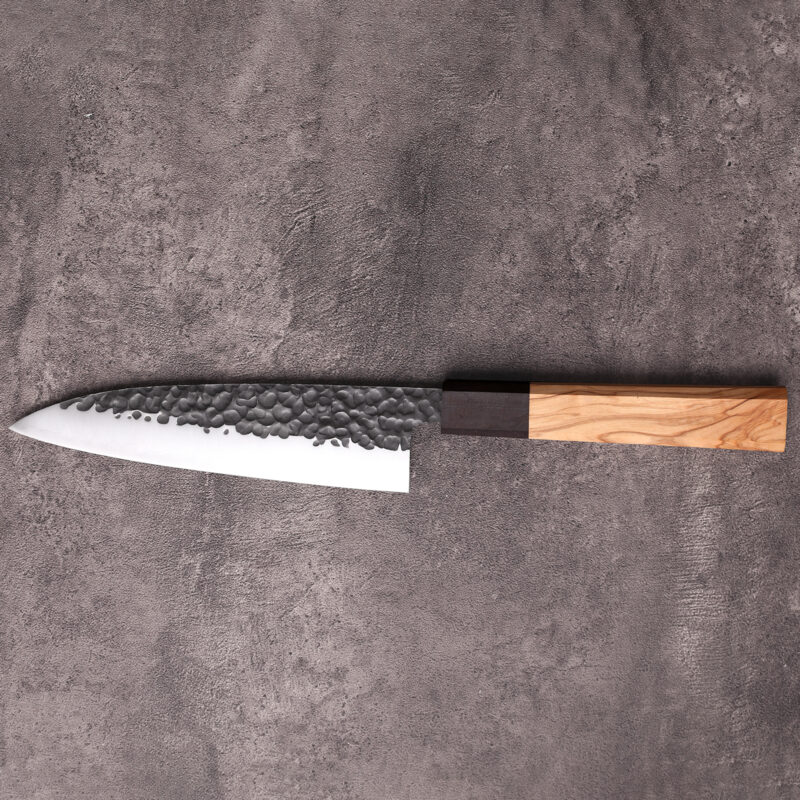
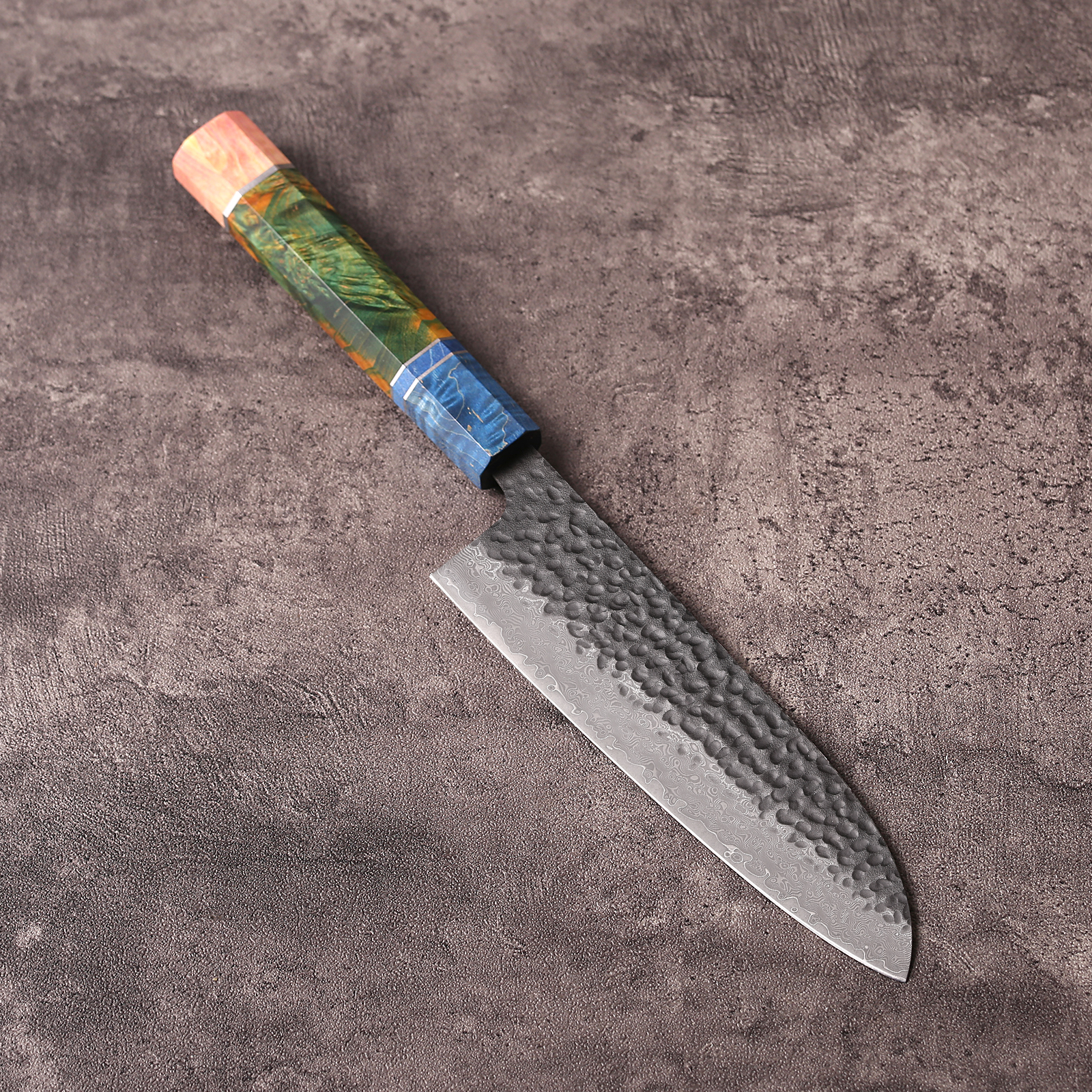
Turwho, owned by WCK, represents a different approach. Rather than relying on heritage or exclusivity, Turwho focuses on efficiency, affordability, and customization. Wholesale prices range from USD 25 to 55 per knife, making them accessible to distributors, restaurants, and home cooks. The brand leverages China’s mature metallurgy and large-scale production to reduce per-unit costs, while offering OEM and ODM services, private labeling, and outsourced packaging.

Importantly, Turwho now sources steel from Japan, applying the same technical standards used by premium Japanese brands. This means customers can access knives made with Japanese steel and professional craftsmanship, but at wholesale prices that are far more affordable. Turwho’s model combines the best of both worlds: premium materials and technical expertise, delivered through an efficient supply chain that keeps costs low.
The difference in kitchen knife pricing is not just about the steel itself—it is about the story behind the knife. German brands emphasize heritage and prestige, Japanese brands highlight craftsmanship and exclusivity, while WCK and Turwho focus on efficiency, customization, and affordability. By importing Japanese steel and applying advanced technical standards, Turwho delivers knives that rival premium brands but remain accessible to everyone.

For distributors, wholesalers, and chefs seeking value, Turwho’s wholesale pricing and OEM/ODM services provide a compelling alternative to traditional premium knives. At wholesalechefknife.com, professional-quality blades are no longer limited to luxury buyers—they are available for every kitchen.
FAQs
Why are Japanese knives expensive?
Japanese knives are often handmade in small batches using artisanal techniques and premium steel, which increases costs.
Does Turwho use Japanese steel?
Yes. Turwho imports Japanese steel and applies the same technical standards, delivering premium performance at wholesale prices.
What is OEM/ODM in kitchen knives?
OEM/ODM means manufacturers like Turwho can produce knives under your brand name, with custom packaging and labeling.
How do German knives differ from Turwho?
German knives emphasize heritage and prestige, while Turwho focuses on affordability, customization, and supply chain efficiency.
