

Chef's Knives Bulk Supplier
The Complete Guide to VG10 Damascus Knife Blanks
Mar
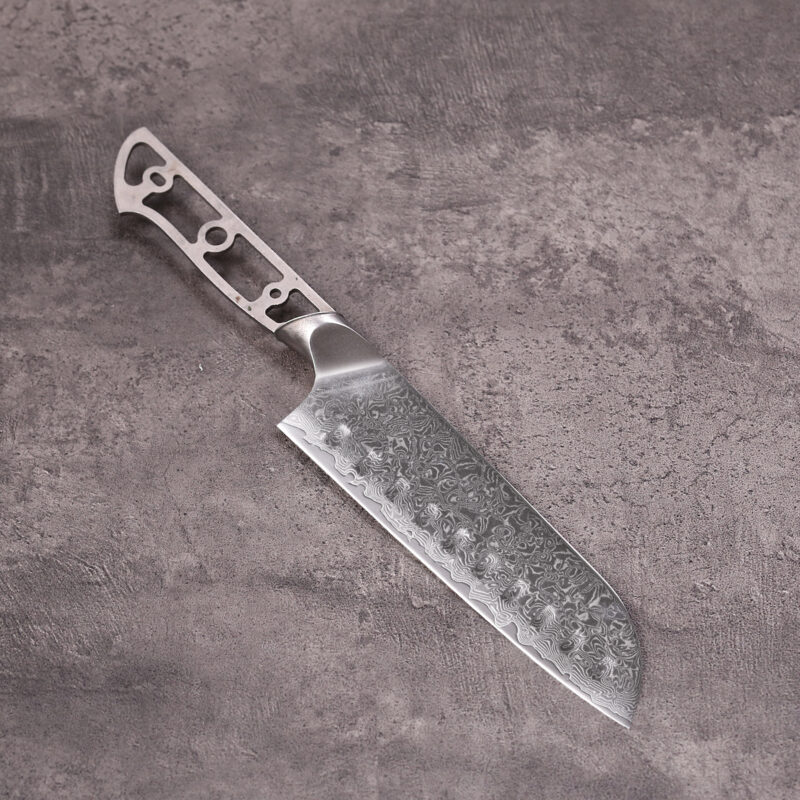
For DIY makers and custom knife enthusiasts, knife blanks are the perfect starting point. Each blank comes with a pre‑shaped blade, often in full tang construction, so you can skip the forging process and focus on designing a handle that reflects your style. With VG10 Damascus steel, you get razor‑sharp edges, excellent durability, and the signature wavy patterns that make every knife unique — a blend of performance and artistry.
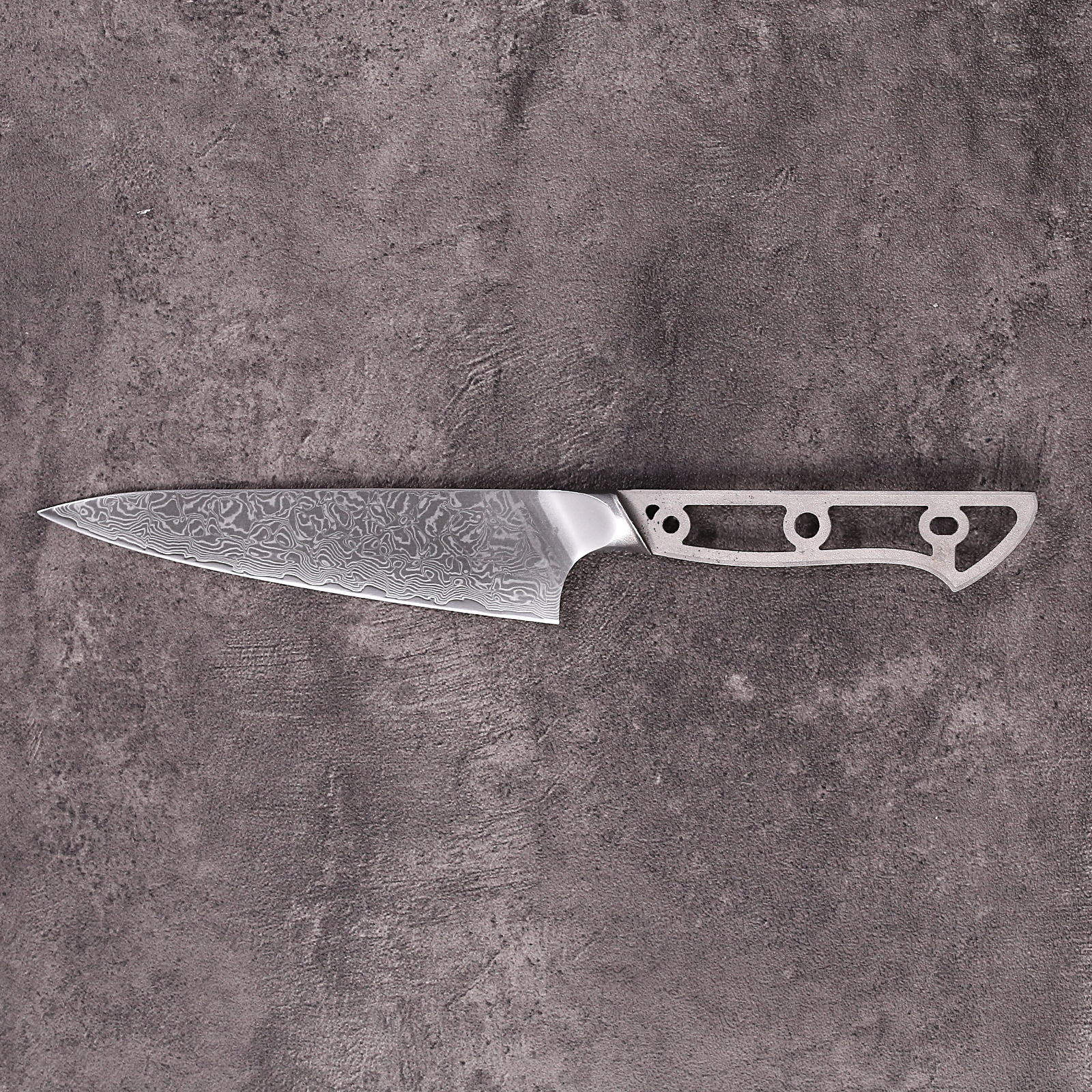
Custom knife making is more than a craft; it’s a way to create tools that carry your personal touch. The blank is the foundation, and from there, every choice you make — from handle material to finishing details — transforms it into a knife that reflects your skill and creativity.
Why Kitchen Knife Blanks Matter
Working with a knife blank gives you freedom. The blade is already forged and hardened, so you don’t need to worry about metallurgy or heat treatment. Instead, you can concentrate on ergonomics, balance, and aesthetics. For hobbyists, it’s an accessible entry point into knife making. For professionals, it’s a way to streamline production while maintaining consistent quality. In both cases, the blank is a canvas waiting to be completed.
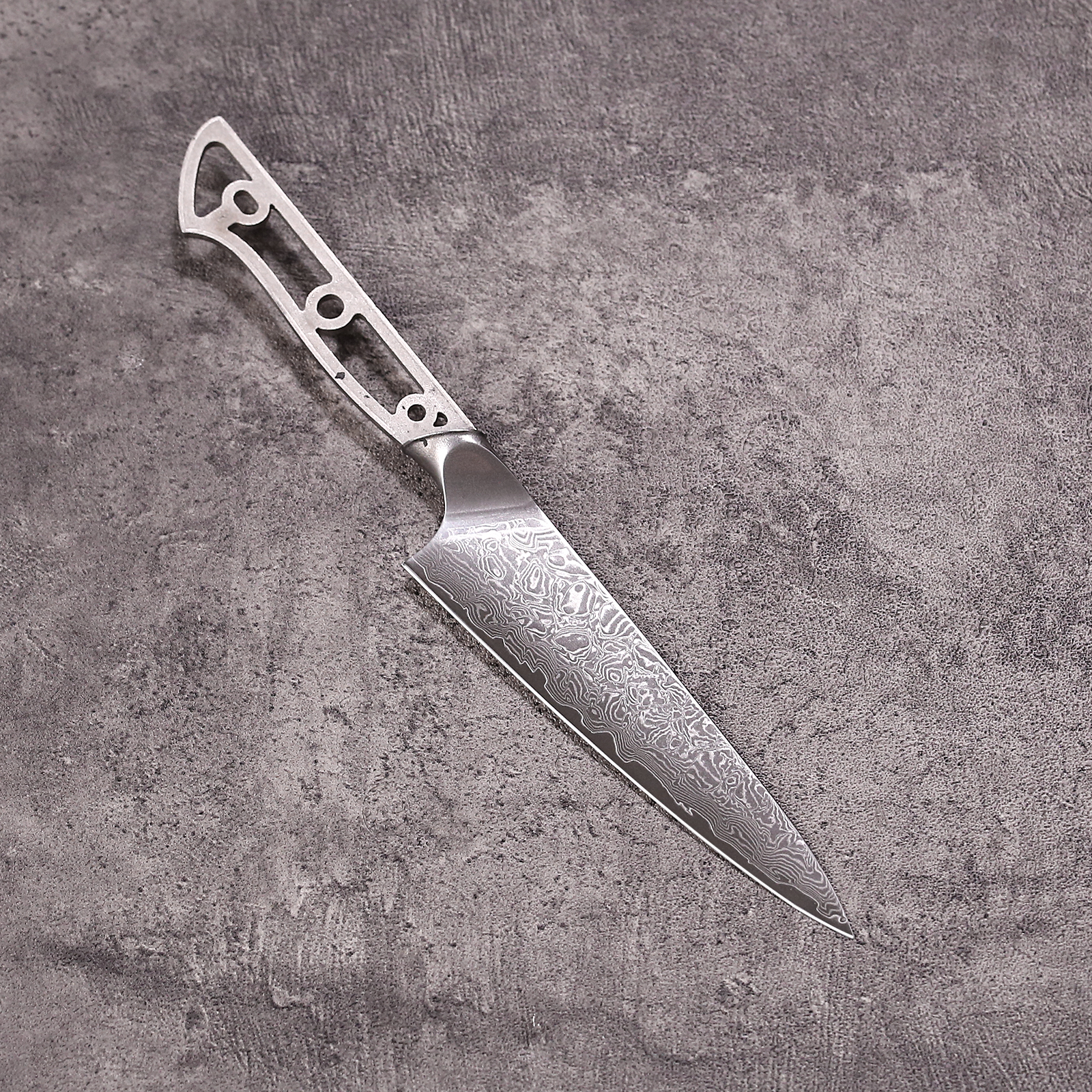
Exploring Kitche Knife Blank Types
The beauty of Damascus blanks lies in the variety of profiles available. A chef knife blank offers versatility for chopping and slicing, while a Santoku blank brings Japanese precision to everyday cooking. If you prefer something mid‑sized, the utility knife blank balances convenience and control, and the paring knife blank excels at delicate peeling and trimming.
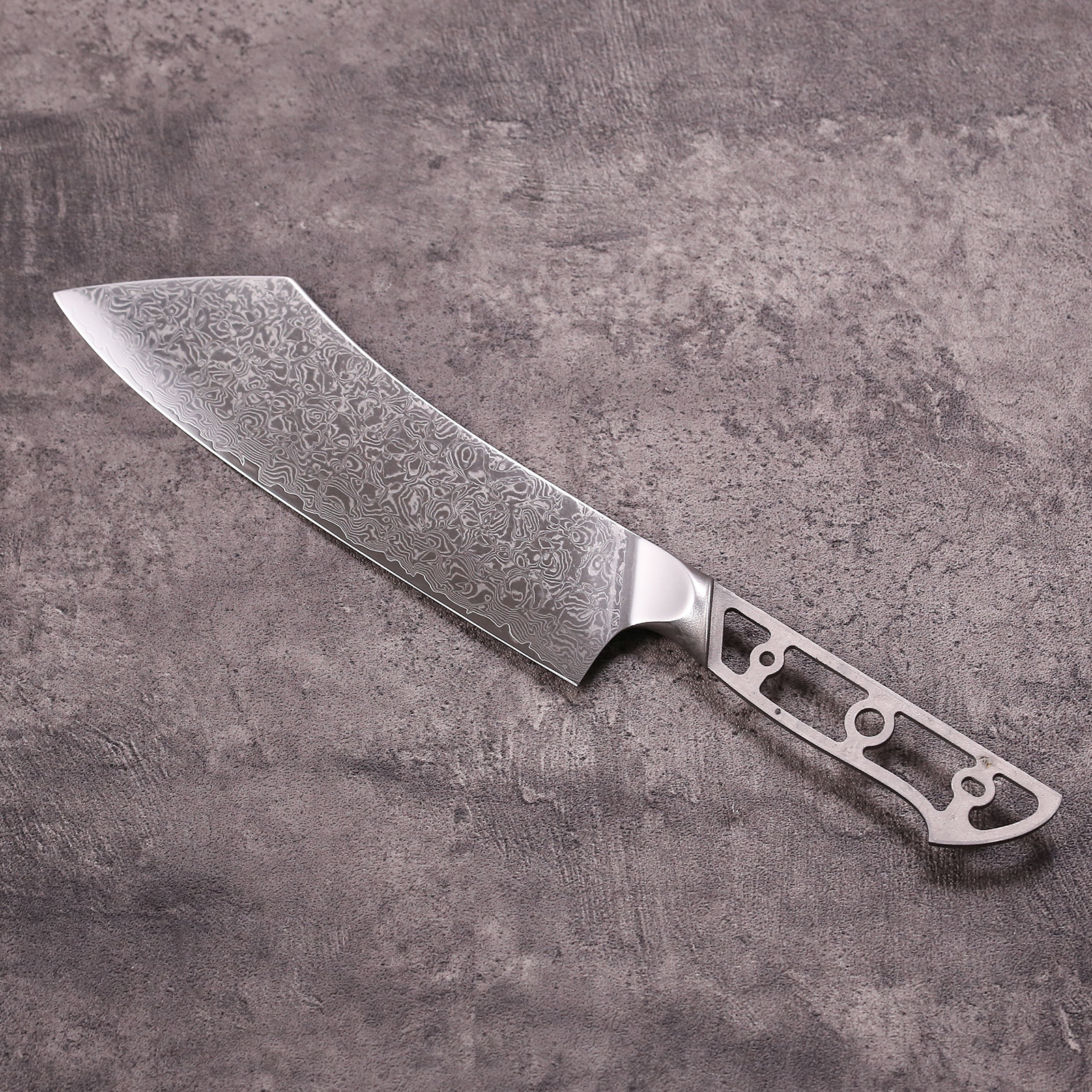
Japanese styles add even more depth. The Bunka blank, with its angled tip, is perfect for fine cuts, while the Honesuki blank is tailored for poultry and butchery. For those who want something distinctive, the chef‑cleaver hybrid blank merges slicing finesse with chopping power.
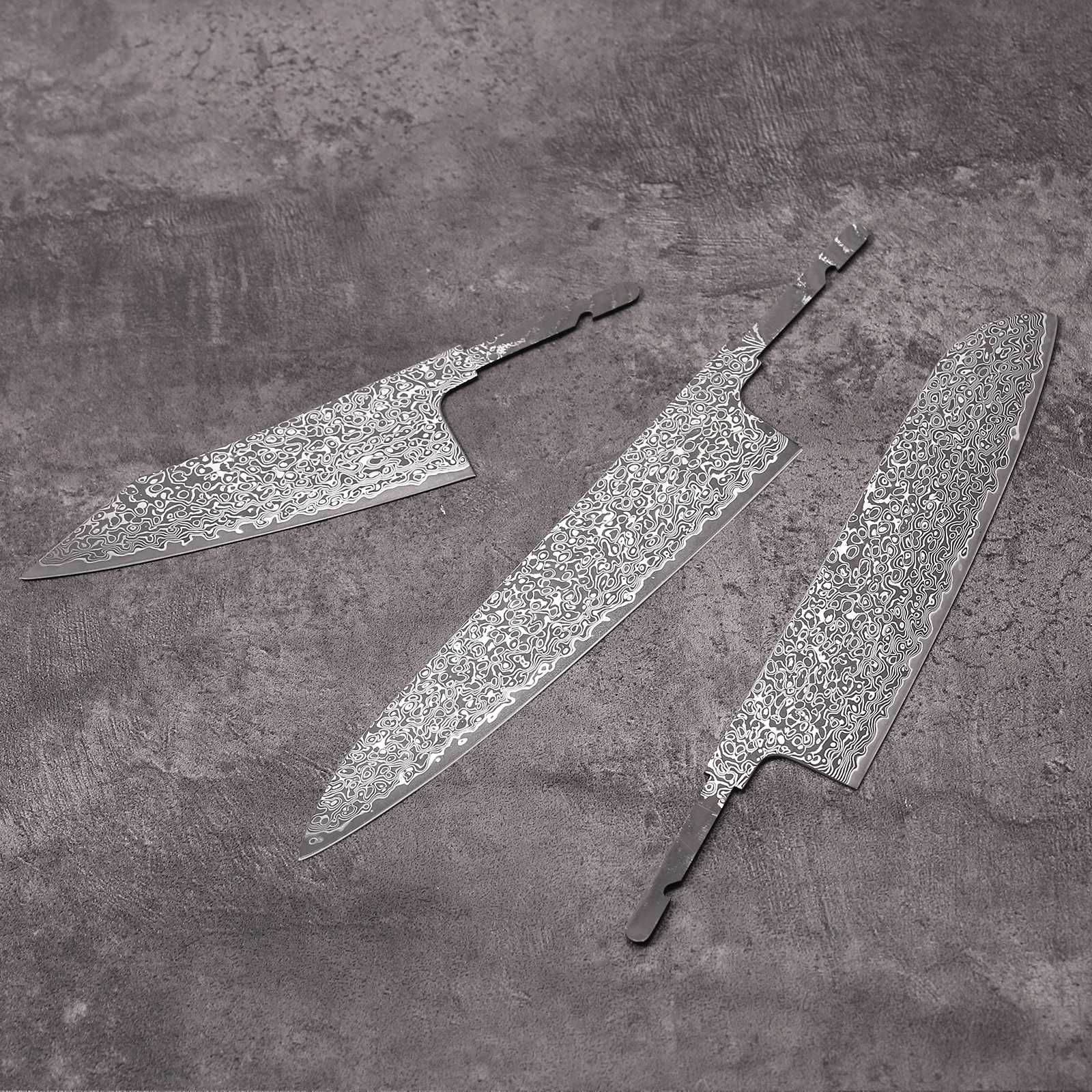
Beyond these, traditional Japanese blades like the Nakiri for vegetables, the Gyuto for precision slicing, and the Yanagiba for sushi show just how diverse the world of knife blanks can be.
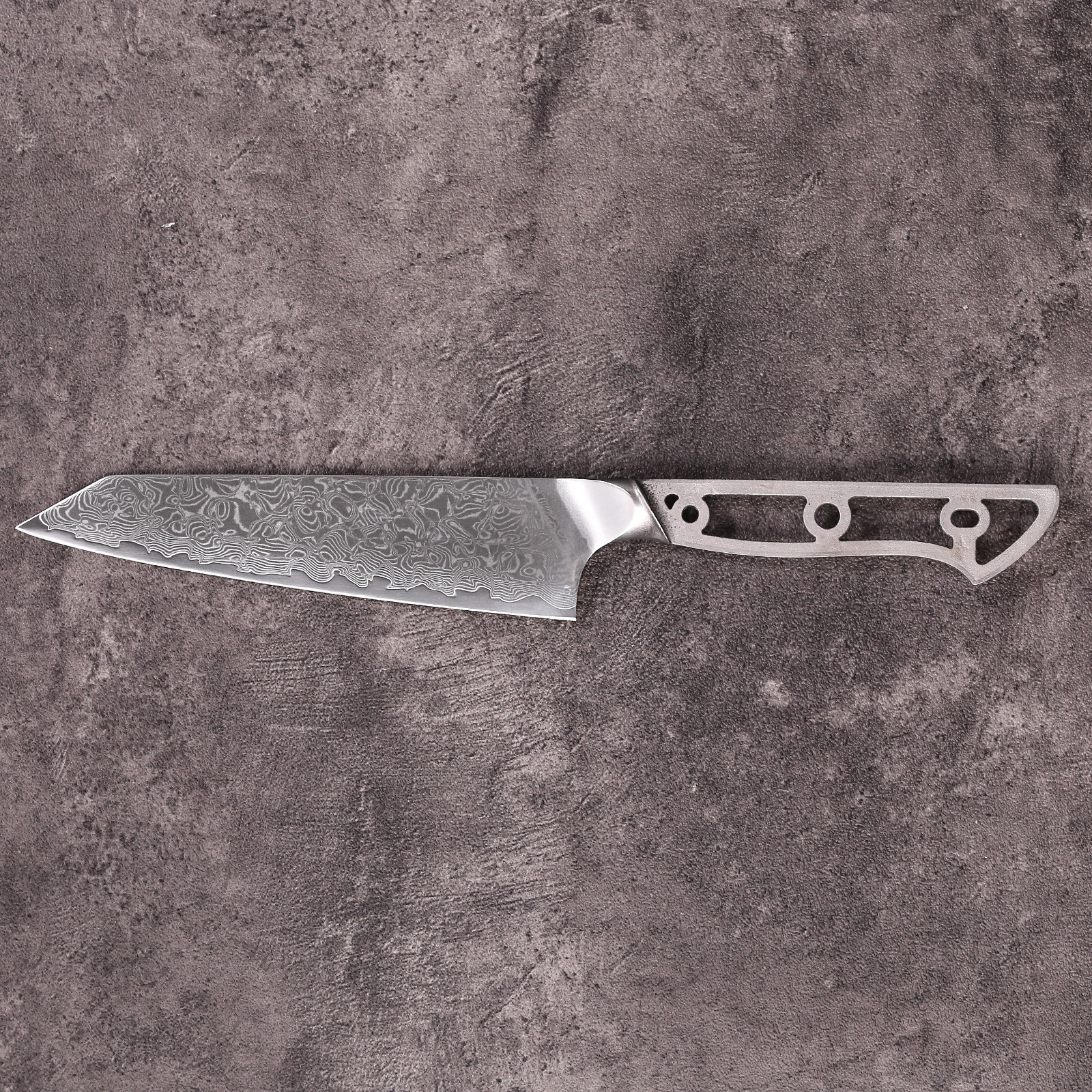
Imagine starting with a compact paring knife blank for your first project. Once you’ve mastered shaping and fitting a handle, you might move on to a Bunka or Gyuto, exploring new blade profiles and techniques. Each project builds your skills and expands your collection, turning knife making into a journey rather than a single task.
The Damascus Cladding Advantage
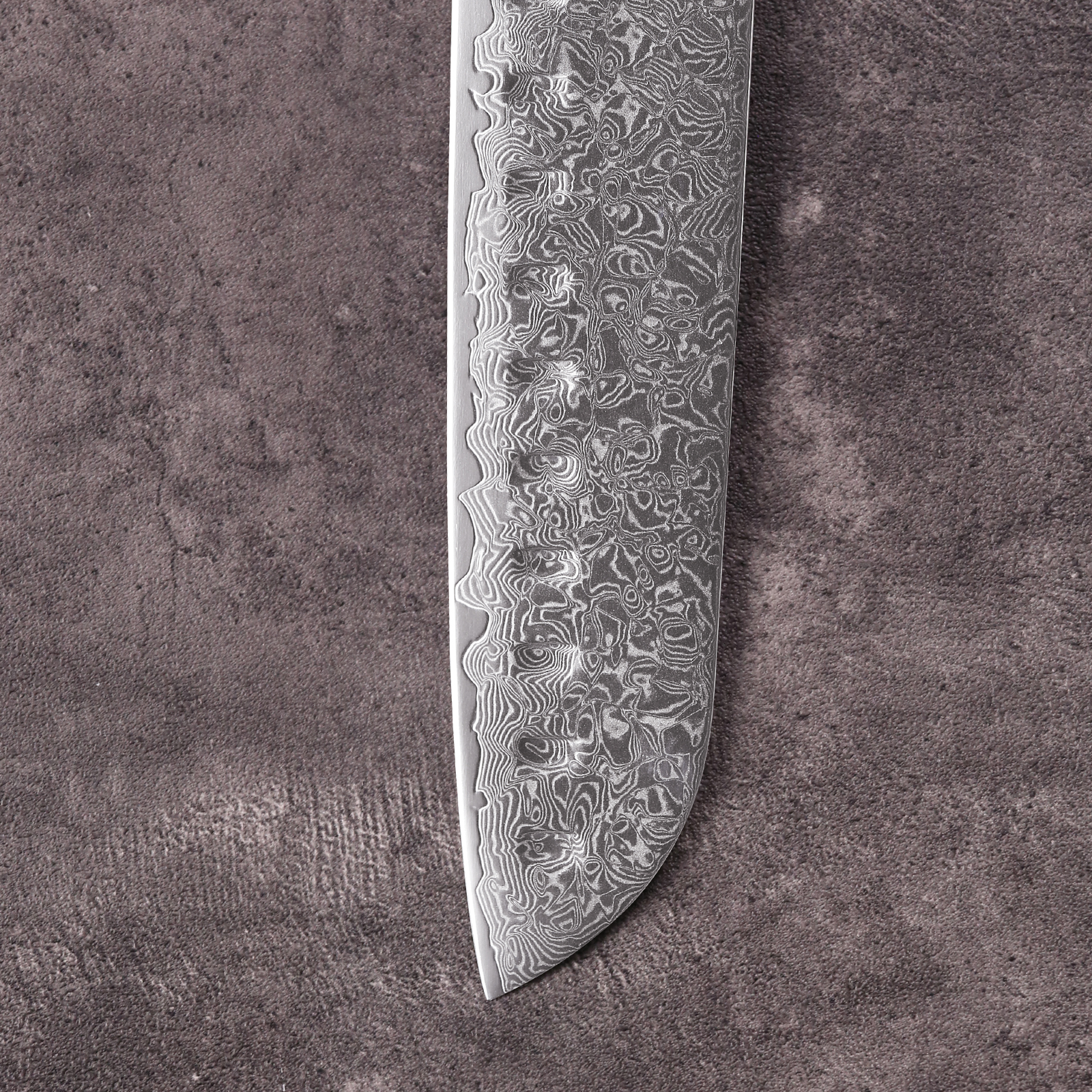
VG10 Damascus steel is prized not only for its performance but also for its beauty. The layered construction produces blades that stay sharp longer, resist corrosion, and display mesmerizing wave patterns. Every blank is both a functional tool and a piece of craftsmanship waiting to be completed. When you hold a Damascus blank, you’re holding potential — the promise of a knife that will serve in the kitchen and stand out as a work of art.
The Joy of DIY Knife Making
There’s a special satisfaction in building a knife from a blank. You choose the handle material — perhaps a rich hardwood, a durable micarta, or a modern composite — and shape it to fit your hand perfectly. The result is a knife that isn’t just sharp and reliable, but personal. It’s a blend of tradition and creativity, a kitchen tool that carries your signature and tells your story.
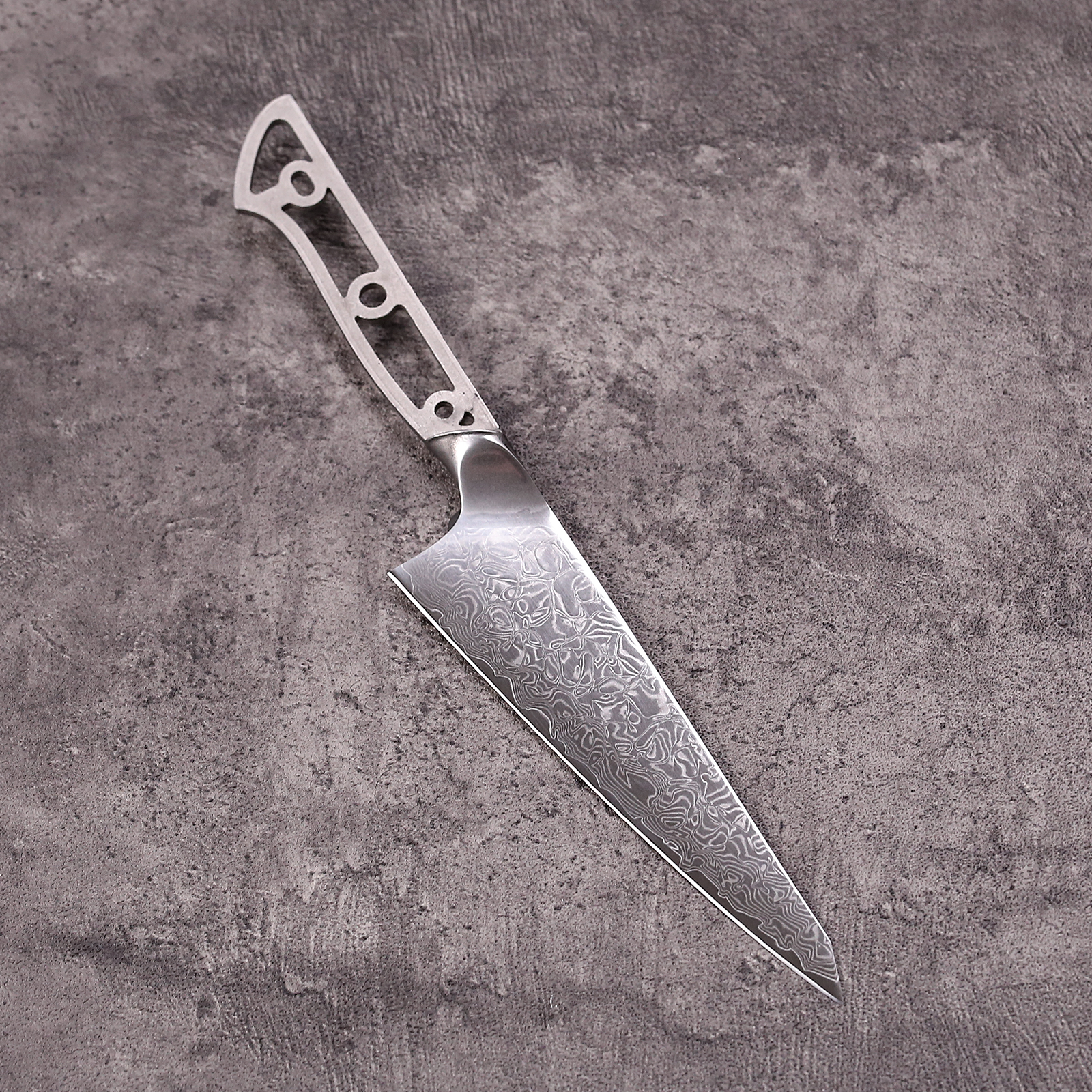
From chef knives to specialized Japanese blades, Our knife blanks provide the perfect foundation for custom knife making. Whether you’re crafting a compact paring knife or a long Yanagiba, each blank offers durability, artistry, and the chance to create something uniquely yours. For makers, every blank is more than steel — it’s an invitation to create.
We also have other series of knife blanks. Here are two examples:
